

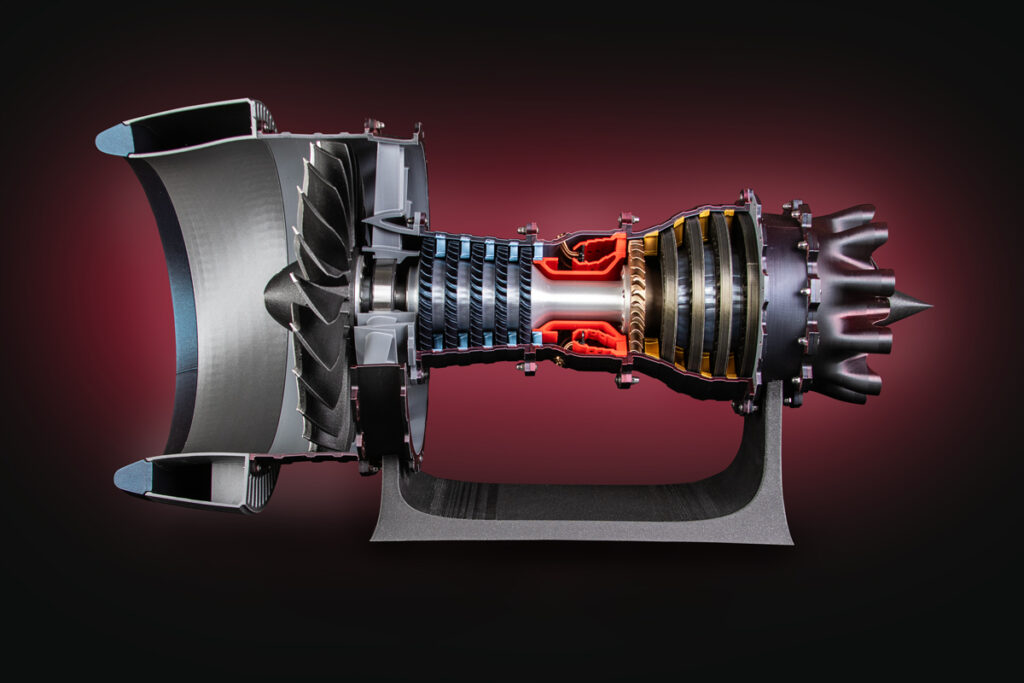
The story starts with a bottle of Appleton Rum from Jamaica and a pilot who flies junk.
Let’s call him James. He is the man you hire when you need to fly a rusted heap out of the Peruvian jungle or extract a team from a corner of the world the media hasn’t discovered yet. He’s spent time in Siberian jails and flown Russian spies across borders that don’t exist on maps. When James knocks on your door on a Friday afternoon, you don’t ask questions. You just clear your schedule for the next twenty-four hours.
By Saturday morning, with the ghost of the Jamaican rum still lingering, we were heading 100 kilometres out of Johannesburg to a remote airfield.

The Hangar of Half-Made Machines
Inside the hangar, I met the Inventor. A stocky, Eastern European powerhouse with a smile that suggests he knows exactly how the world is put together. Let’s call him Demitri.
The space was a graveyard of the future. A 1,200-kilometre range drone sitting under a tarp. A fiberglass shell that will eventually be South Africa’s first R30,000 electric sports car. And in the corner, a battery of ten 3D printers, whirring in a rhythmic, mechanical chorus.
“This,” Demitri said, gesturing to the machines, “is where I print my engines.”
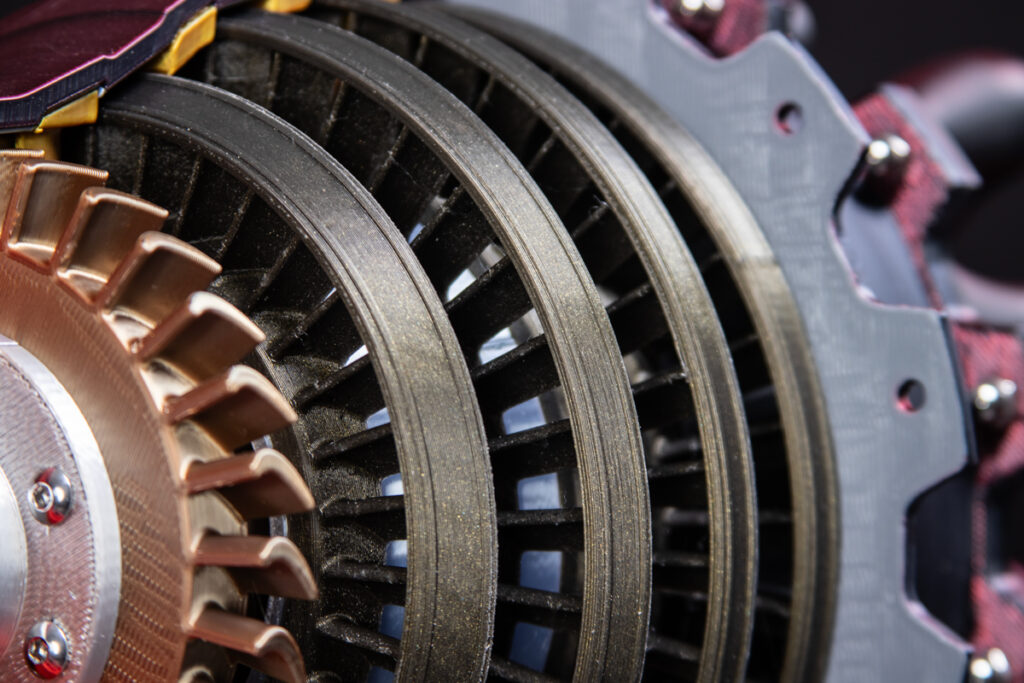
The Printed Turbine
He wasn’t joking. Demitri produces 3D-printed jet engine models for training and high-end aesthetic displays. These aren’t toys. They are immaculately designed, forensic-level recreations of complex aerospace engineering. Each one retails for 10,000 US Dollars.
My jaw hit the hangar floor. The Russian rum in my head spoke before I could stop it: “I need to photograph these.”
Demitri didn’t blink. “Take two. Bring them back.”
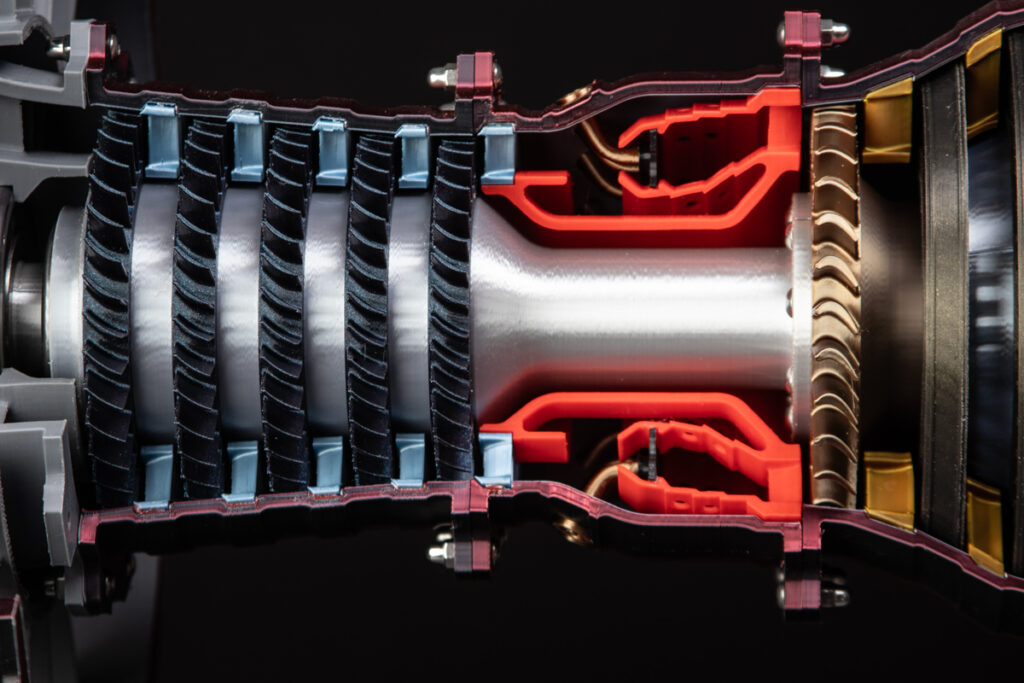
The Shoot: Capturing the Layers
Back in the studio, the challenge was to capture the sheer complexity of the print. When you look at these models, you aren’t just looking at a shape; you are looking at thousands of micro-layers of precision.
I treated them like a forensic crime scene. I wanted to see the internal combustion chambers, the pitch of the turbine blades, and the raw texture of the filament.
The result is a collision of old-world aviation grit and new-age manufacturing.
It’s a reminder that even in a dusty hangar in the middle of Gauteng, there are people redefining what is possible. These engines don’t burn fuel, but they represent the same fire of invention that puts James in the cockpit of a rusted plane in the middle of nowhere.
This is the craft. This is the grit. This is the witness.