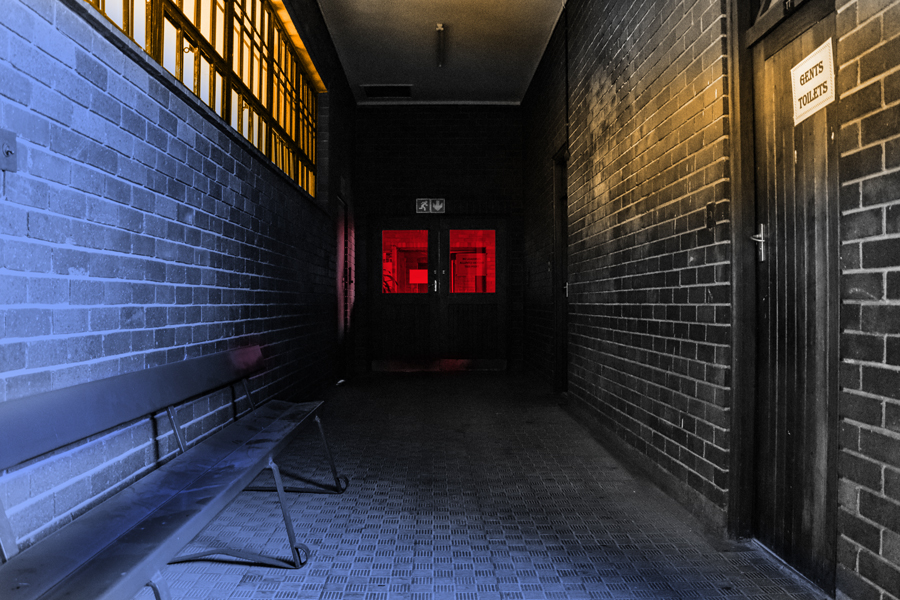
Most commercial photography is obsessed with the clutter of existence. We photograph people, we photograph products, and we photograph the activity that bridges the two. At Planet Photos, we are also interested in what remains when everyone goes home.
Documenting the Unseen
When you photograph a liminal space, you are essentially documenting absence. The challenge for the “Witness” is to give that absence a clinical, undeniable authority.
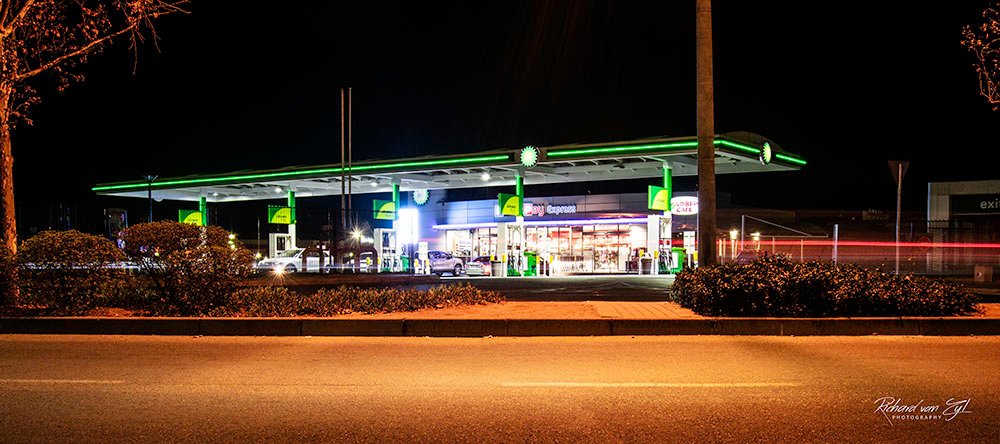
I look at the BP garage in the void, a symmetrical beacon of green neon against the absolute dark. It is unpopulated, sterile, and yet intensely familiar. It is the universal memory of a midnight stop.
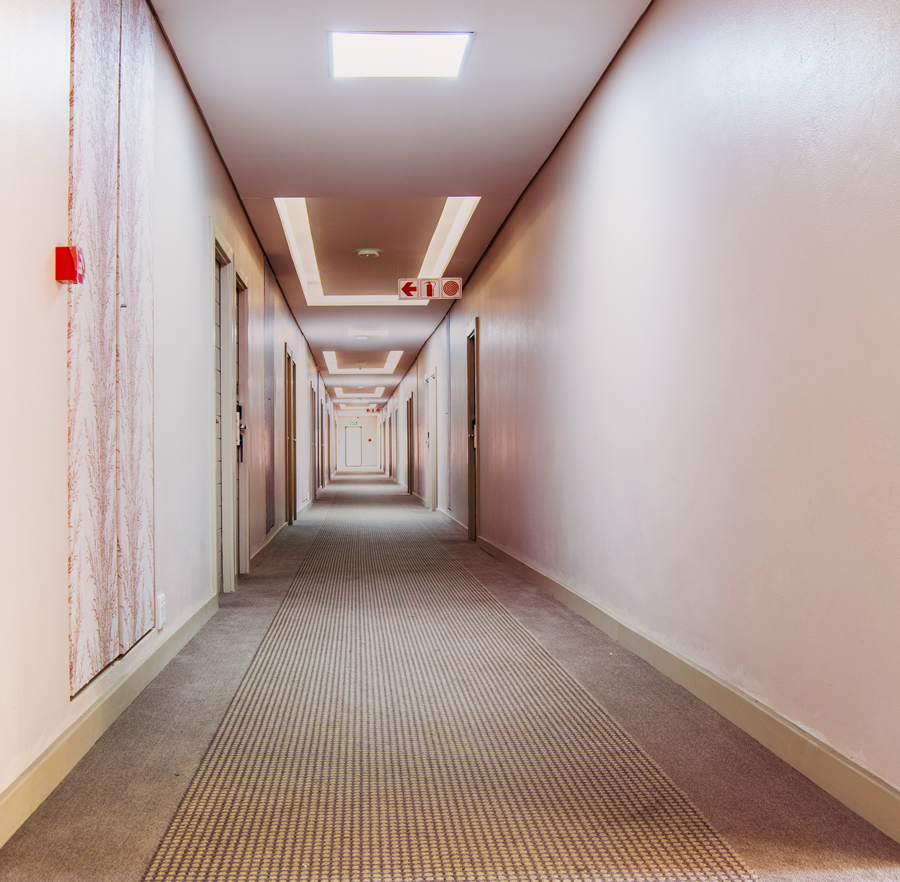
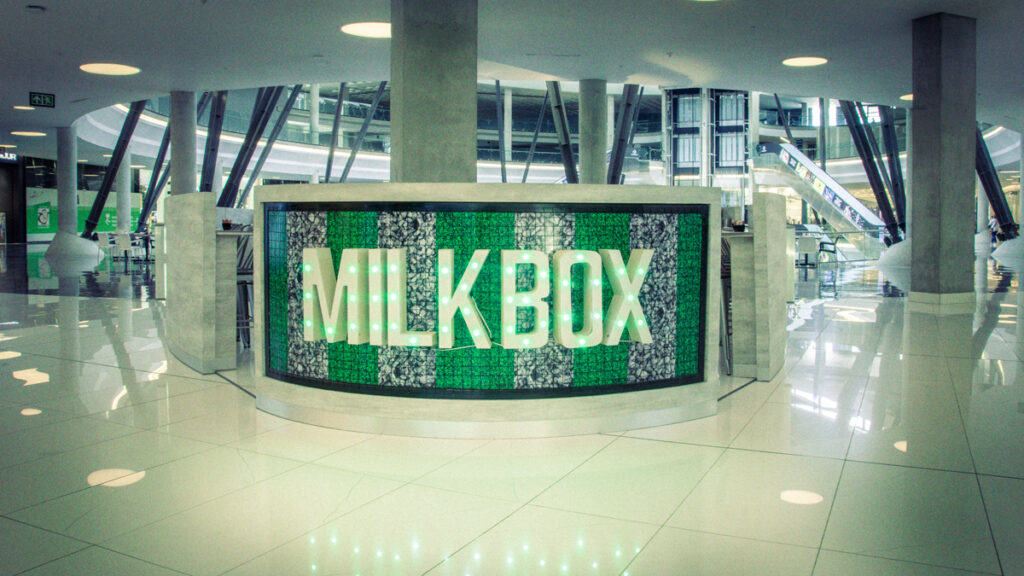
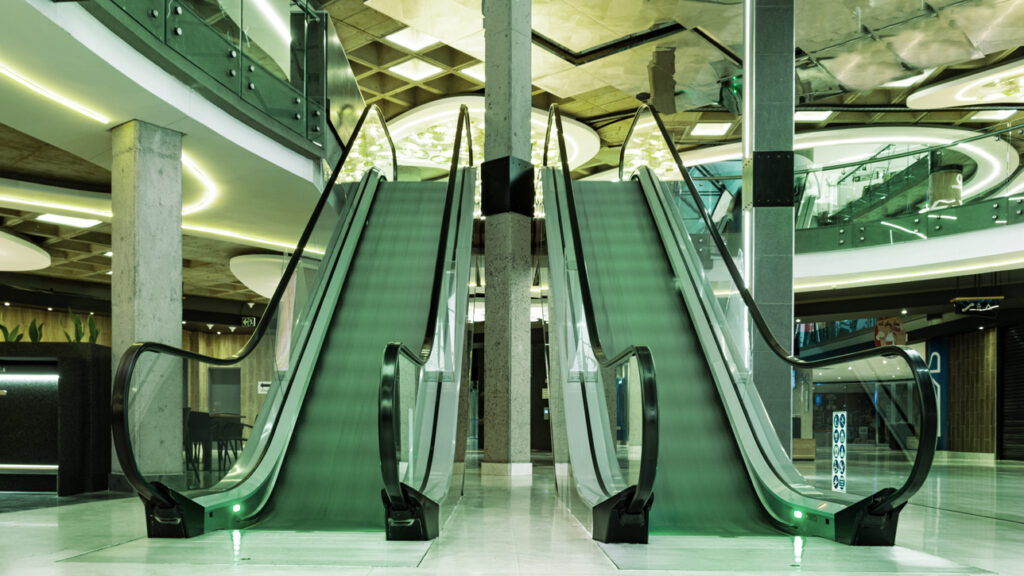
Or the long, reflective mall corridors where the architecture stands exposed, its symmetry perfectly captured without the distraction of human traffic.
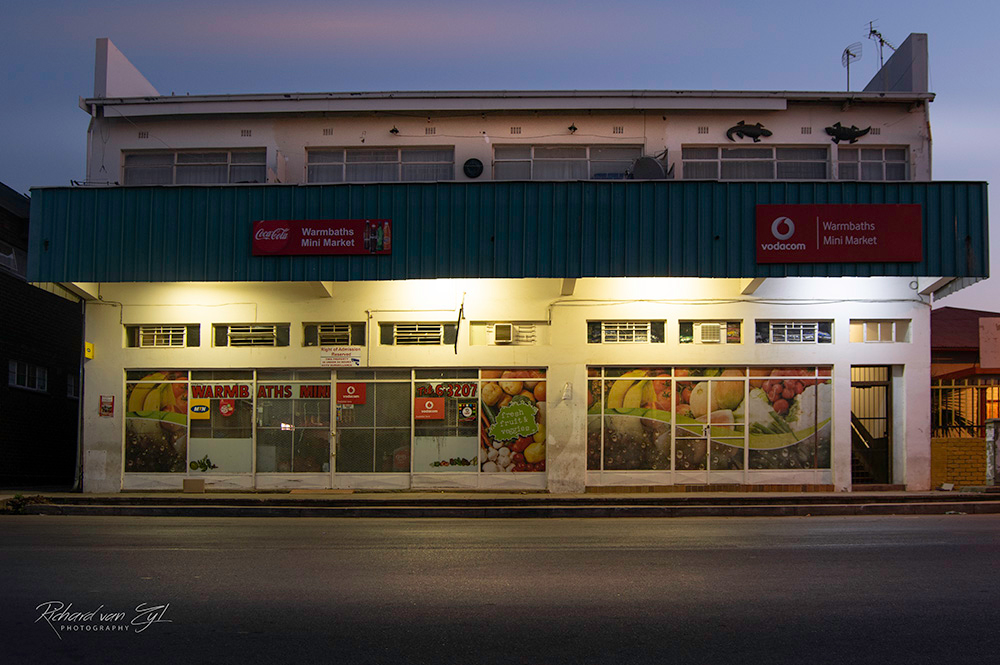
The “Warmbaths Mini Market” becomes a monument to functional design, revealed by a single forensic floodlight.
These images are the deep breaths the city takes when it thinks no one is looking.
The Emotive Void
Liminal photography isn’t “sad.” It is highly emotive. It connects to the parts of our memory that store the quietest moments.
.
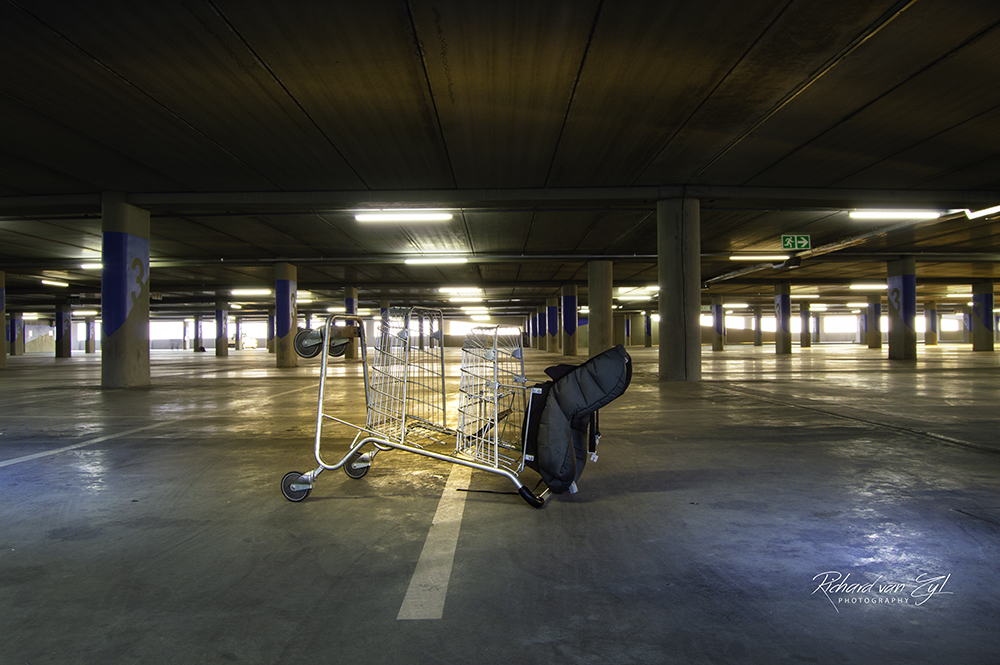
They provide a visual silence that forces the viewer to confront the narrative they usually ignore. The broken shopping trolleys in the empty concrete expanse are not just trash; they are the forensic record of a utility that has collapsed.
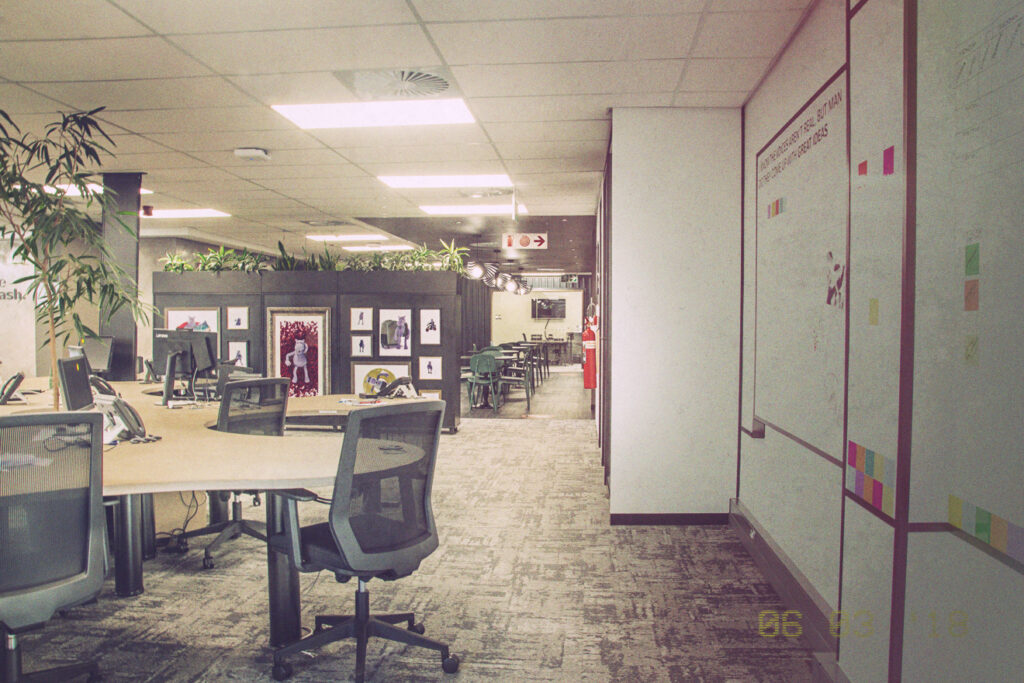
The shattered glass and discarded “Income” papers in the abandoned office tell a specific, finalised story.
My role is to be the witness to that pause. When the world is silent, my eye is still clinical. We document the void so the structure—whether built from steel or memory—is given the visual authority it deserves.
In a world that never stops talking, the most powerful story can be the silence itself.